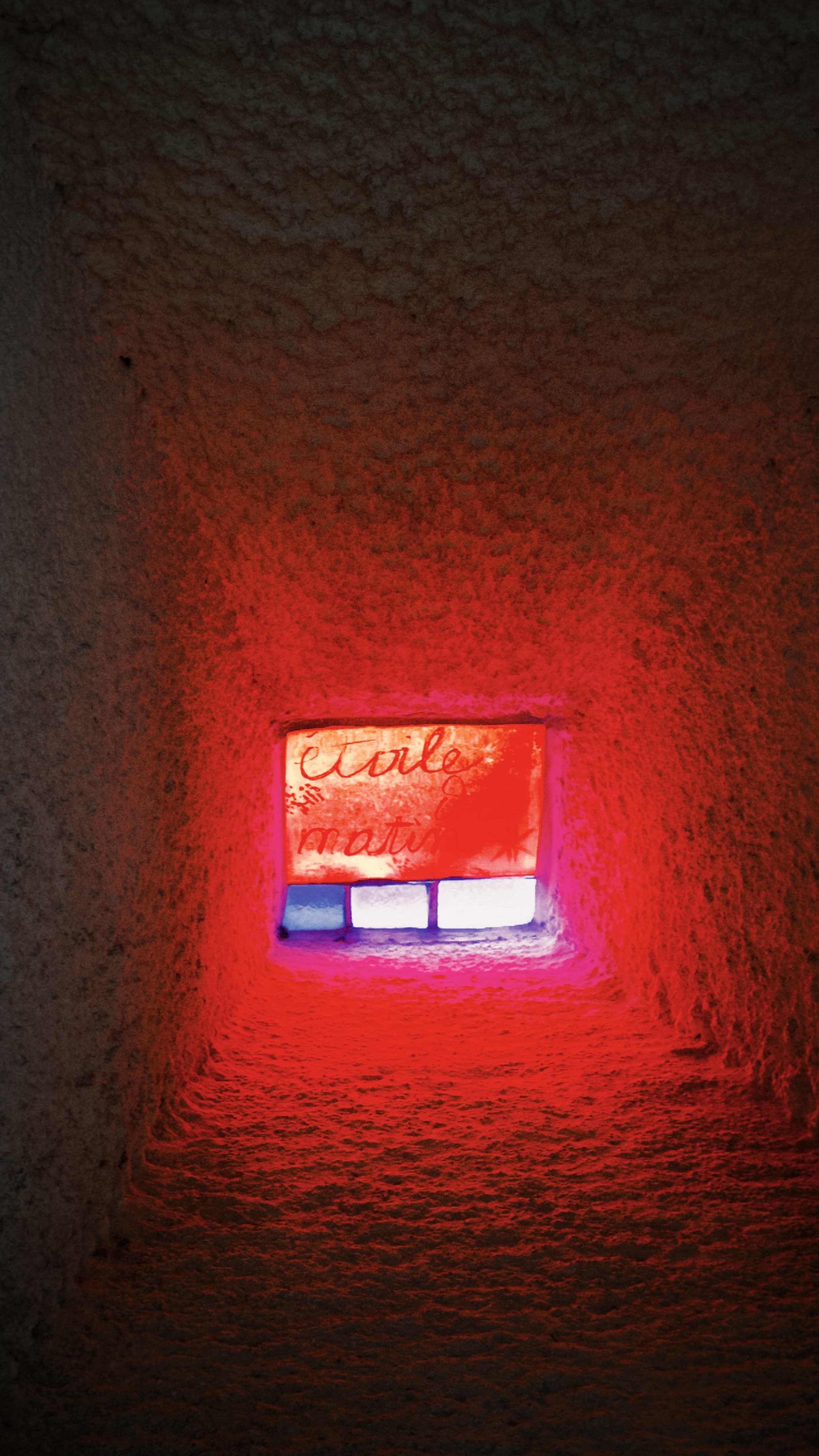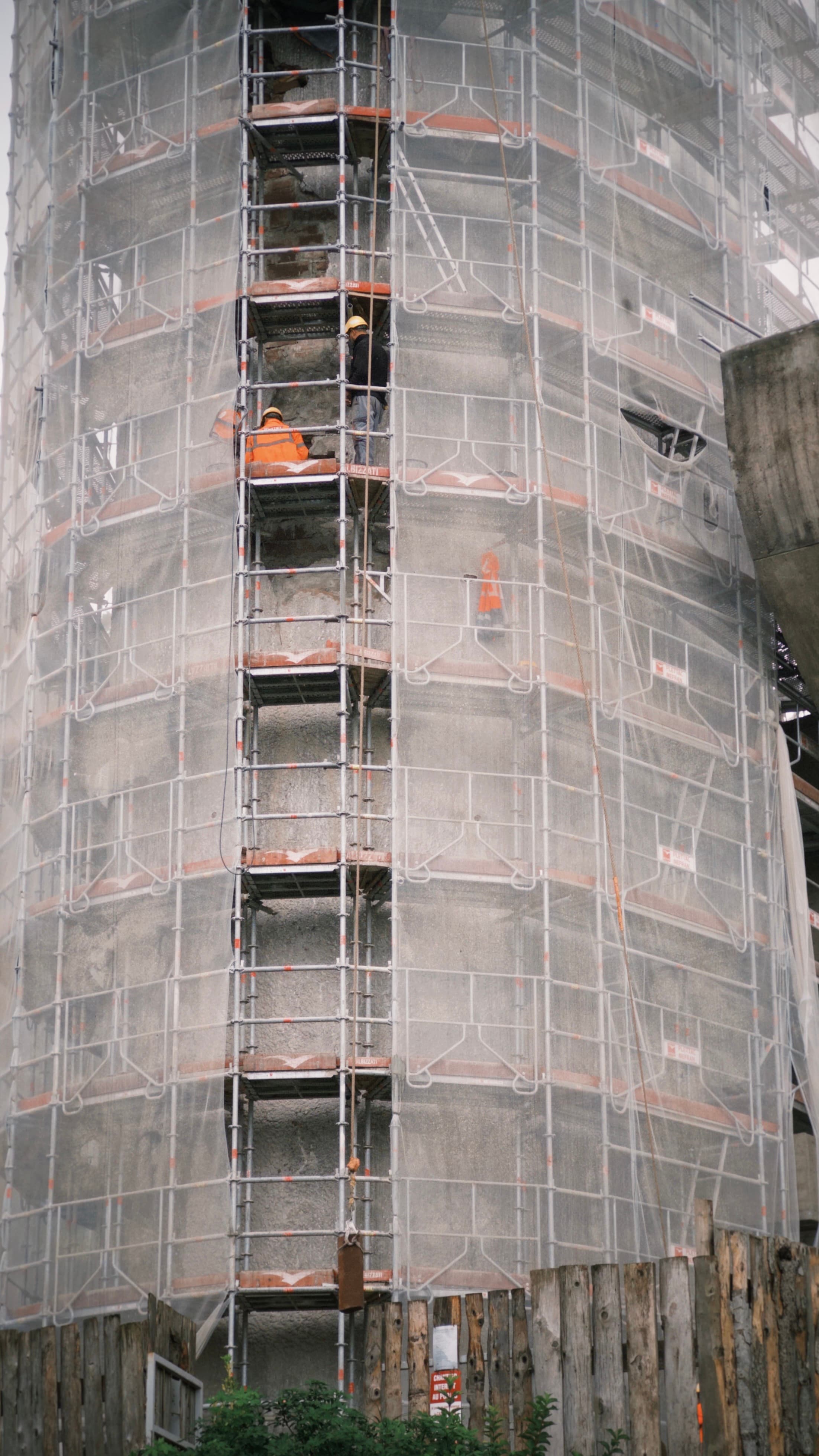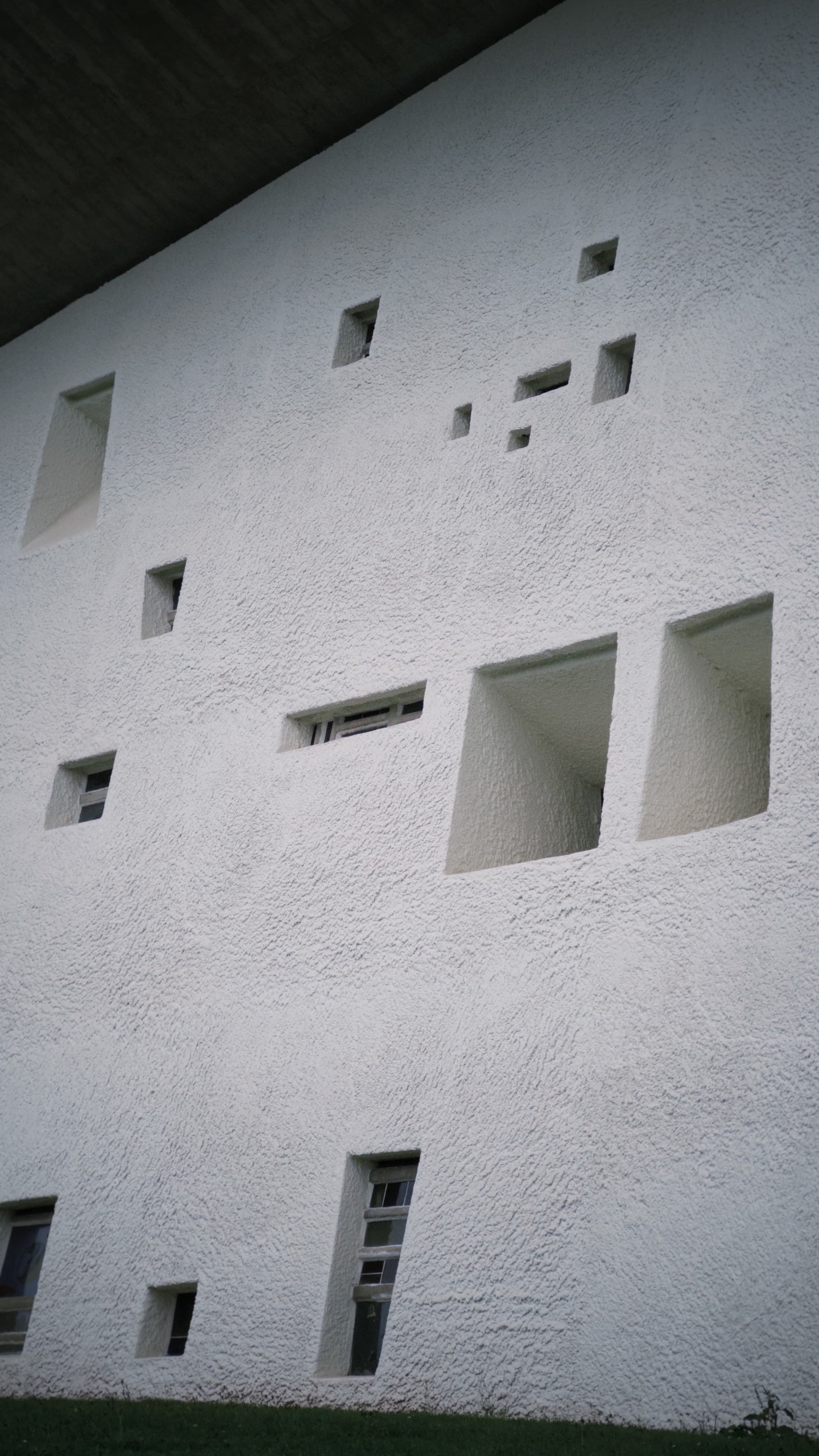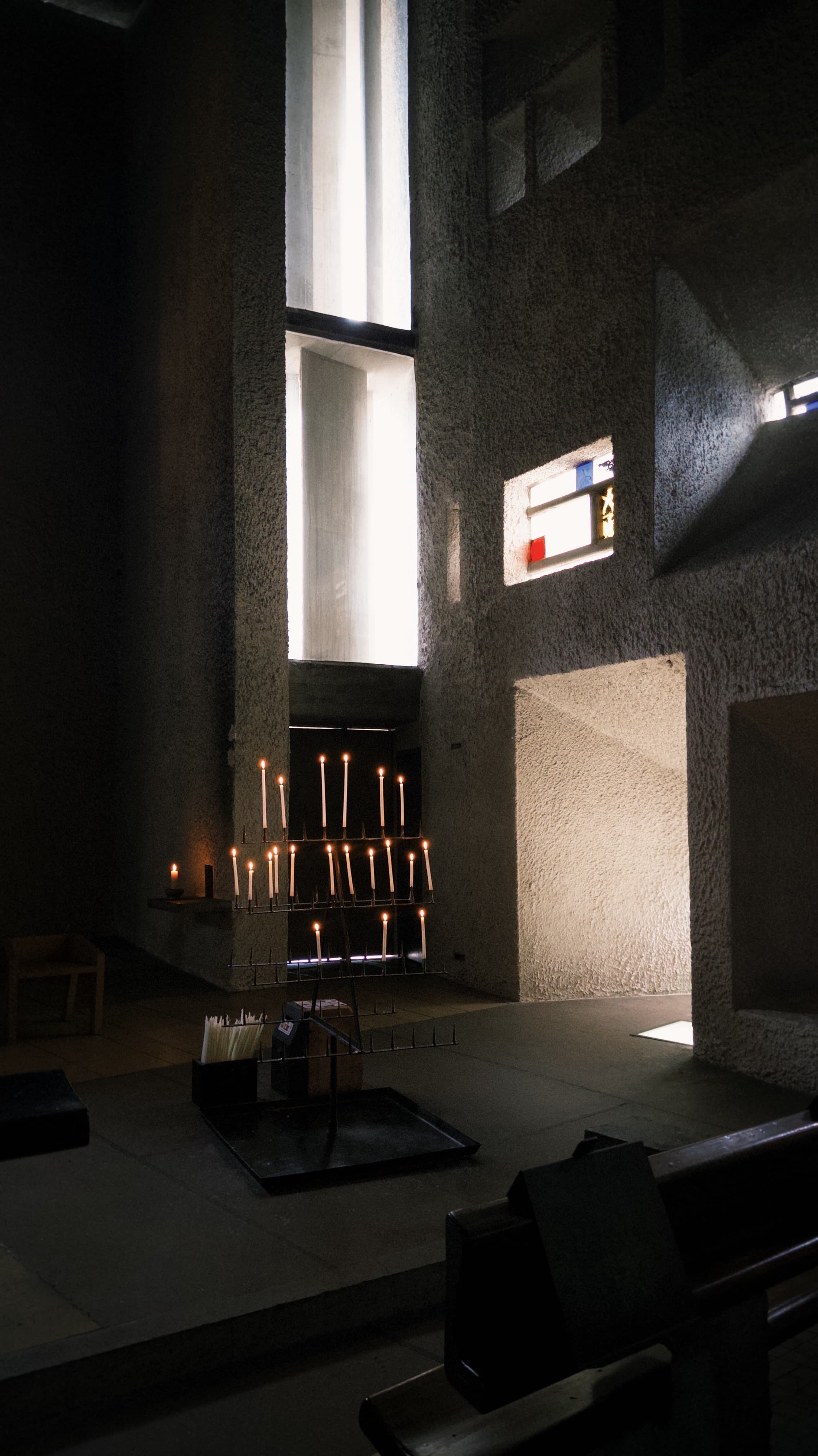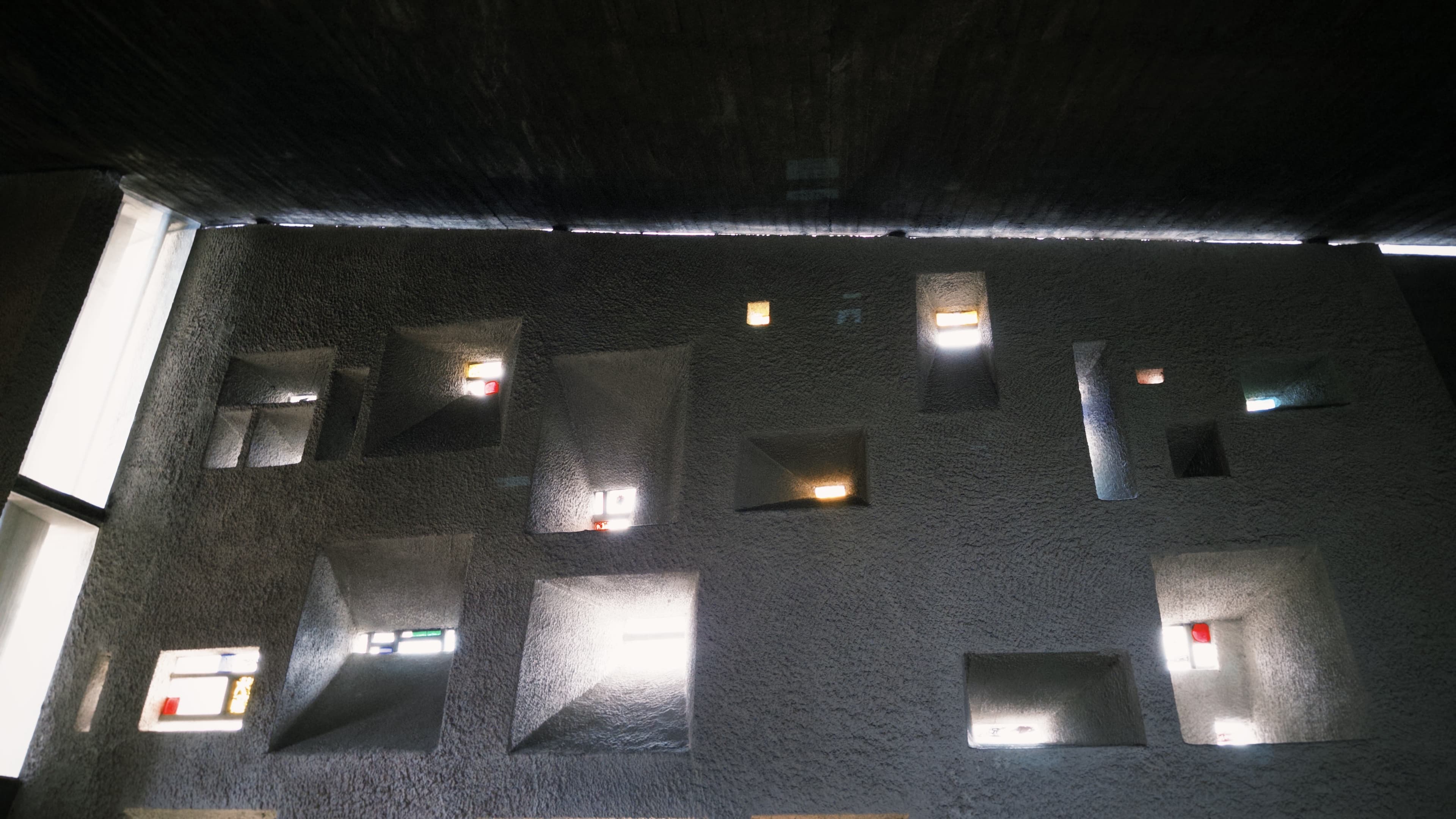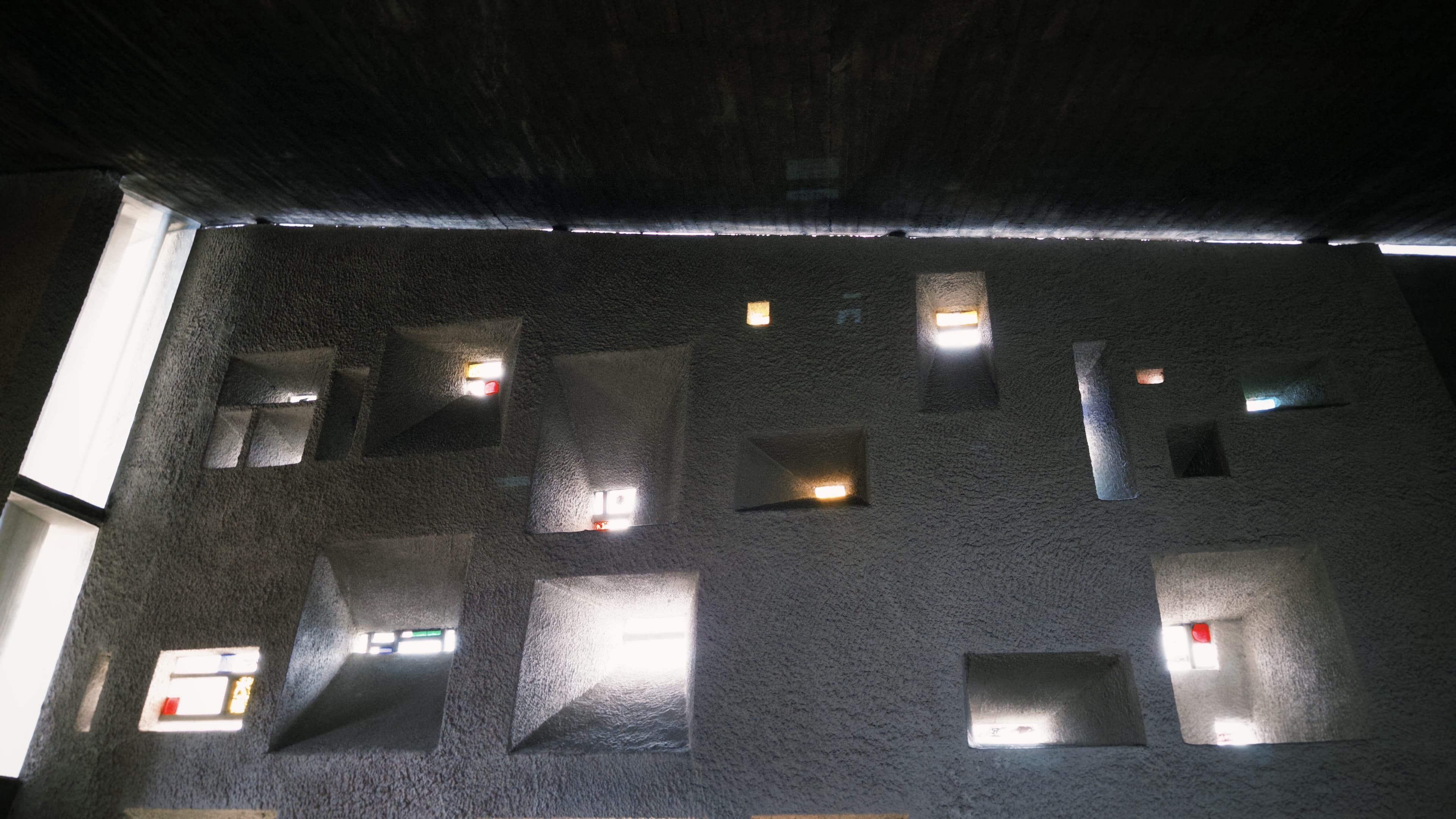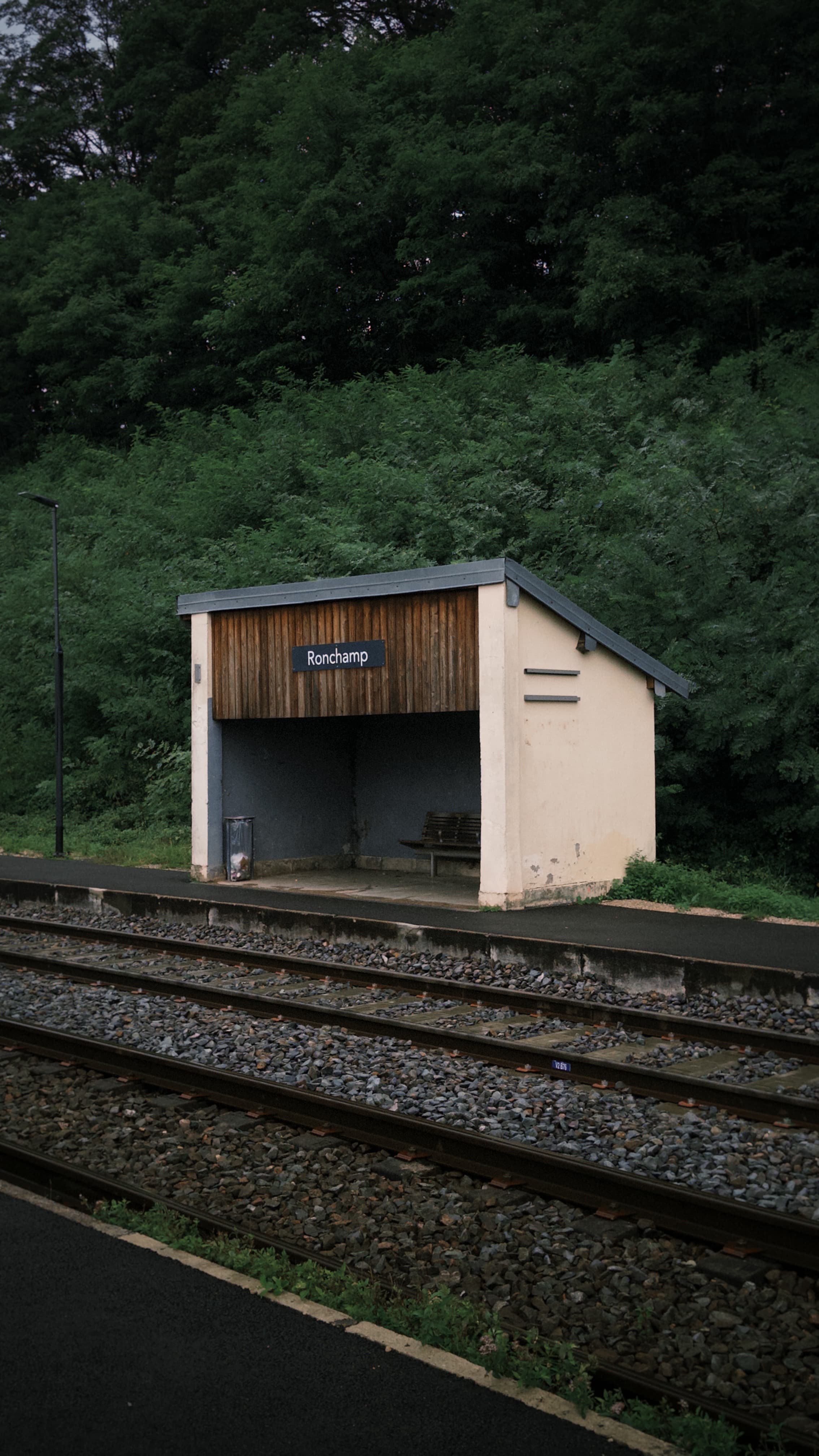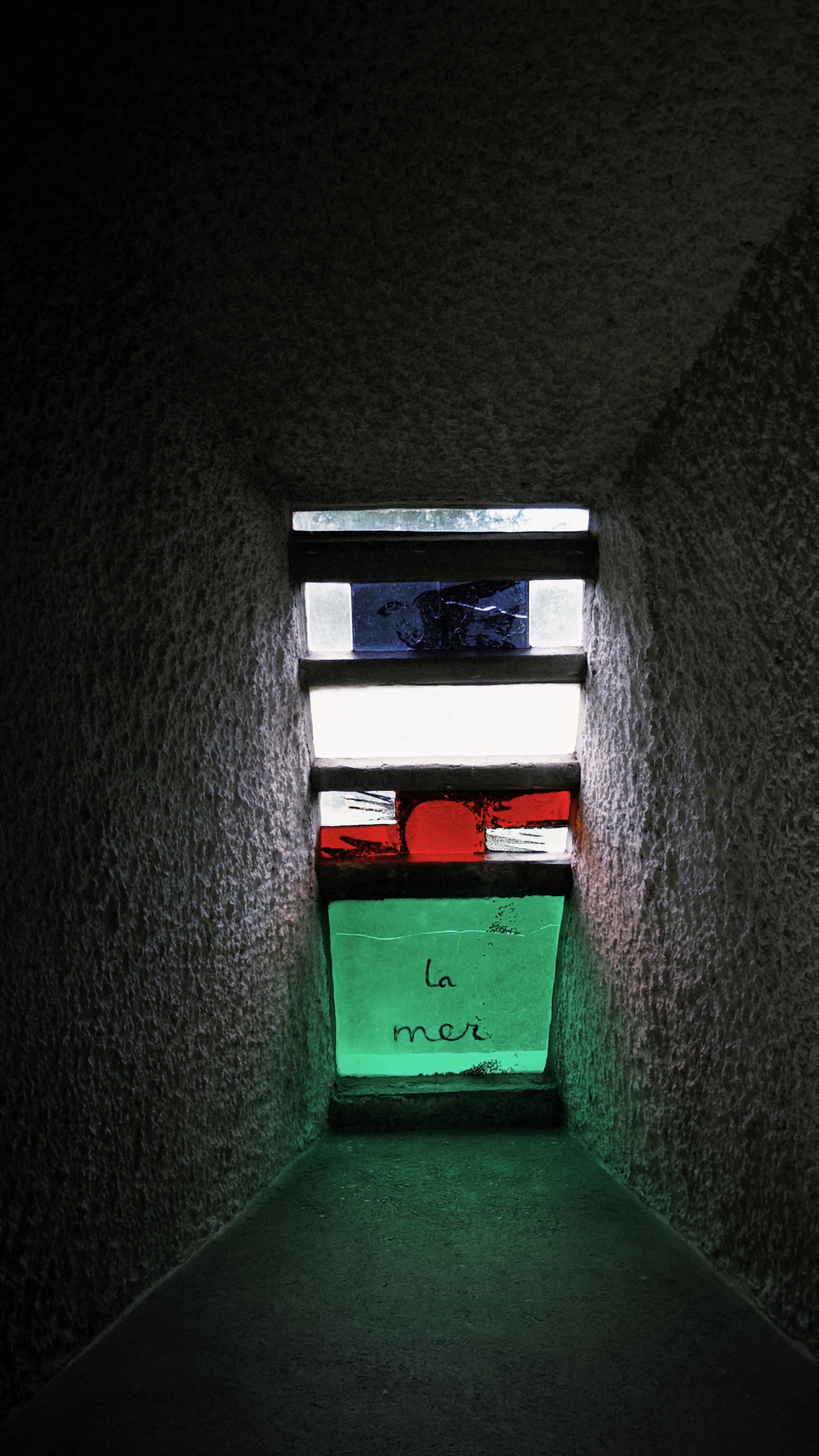
Notre-Dame du Haut
The Arena of the Page
Architecture is perhaps always already designed as an archetype. Looking at the heavy, immediate marks of Le Corbusier's first sketch for Ronchamp, one is reminded of Harold Rosenberg's argument for the power of action in drawing. The tracing paper is no longer a conventional medium that confines the architect; instead, it becomes an arena in which to act. The charcoal left on the page is an event that records a physical, orchestrated action, rather than a mere representative image.
In this analogy, the architect seems to possess less human agency. If they are only discovering an archetypal architecture that existed before the design process began — communicating with a cosmic energy to deliver a godly message — they are reduced to an instrument. The hand that sketches is simply performing predetermined instructions.
Yet, an alternative justification for the architect's genius is the sheer, mortal passion that drives them to fulfill their task. In Greek mythology, it is often questioned whether heroes are truly heroic, or if they are simply instruments enacting the gods' will. But they, too, are driven by their personal destinies, willing to do anything to reach their objective. Odysseus is a hero not only because Athena aids his journey, but because he embraces his destiny with persistence and a fierce passion to return home.
Both the passion of the Greek hero and that of the architect suggest they deserve to be seen as geniuses. Ultimately, their mortal passion and this cosmic energy do not oppose one another; they serve together in a virtuous cycle to promote true creativity. The architect may be guided by the 'divine' energy of archetypal forms, but it is their intense human will that forces those forms into physical reality. At Ronchamp, Le Corbusier's genius operates in this exact synthesis: a monumental collision of cosmic inspiration and the radical, passionate action of the hand.
Notes
This text was originally developed for the seminar Buildings, Texts, and Contexts III at the Harvard Graduate School of Design. Applying Harold Rosenberg's concept of "Action Painting" to Le Corbusier shifts the focus from the architectural representation to the performative genesis of the drawing itself.
Related
—gallery