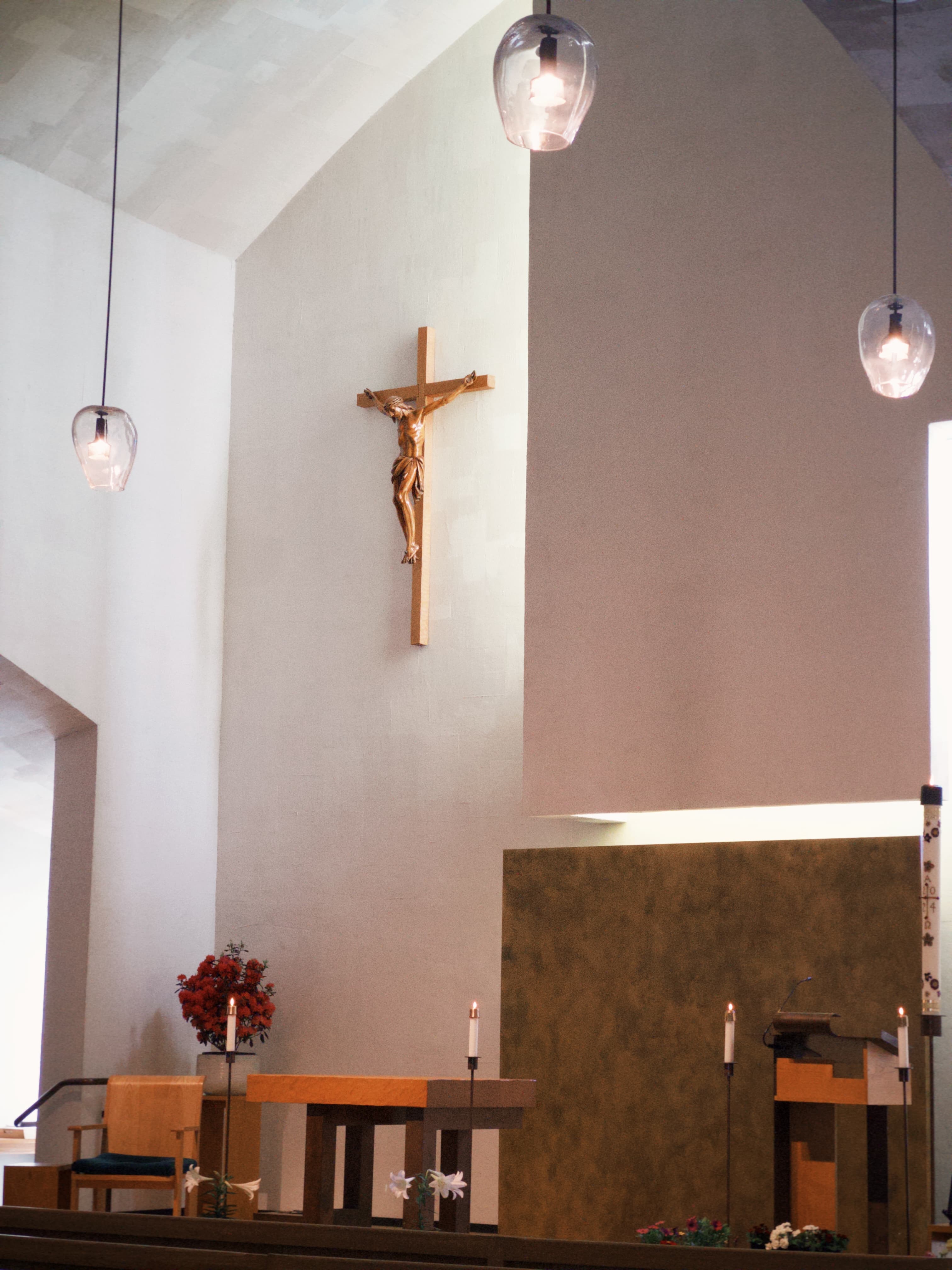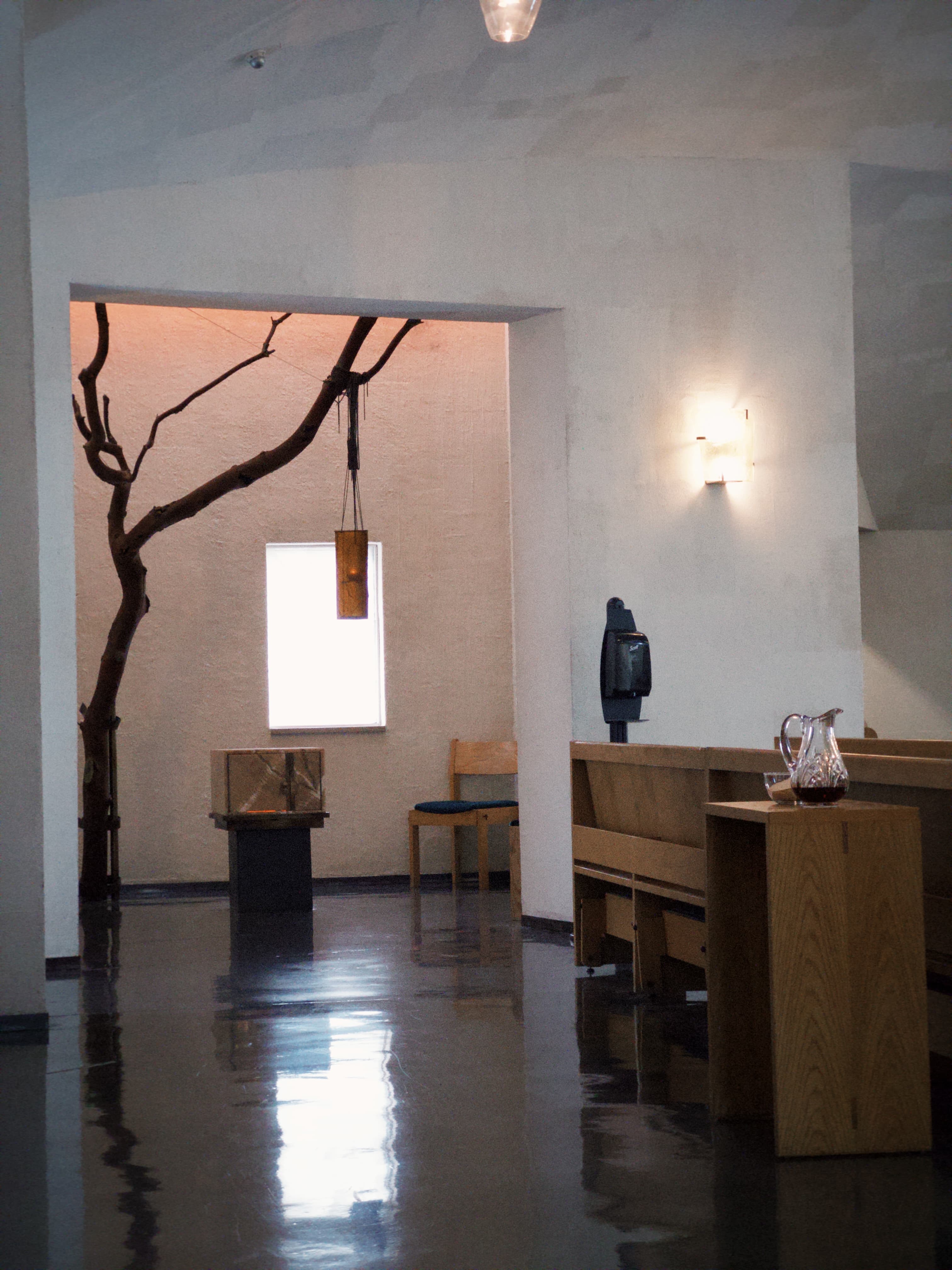
Chapel of St. Ignatius
Research
Architecture History
-
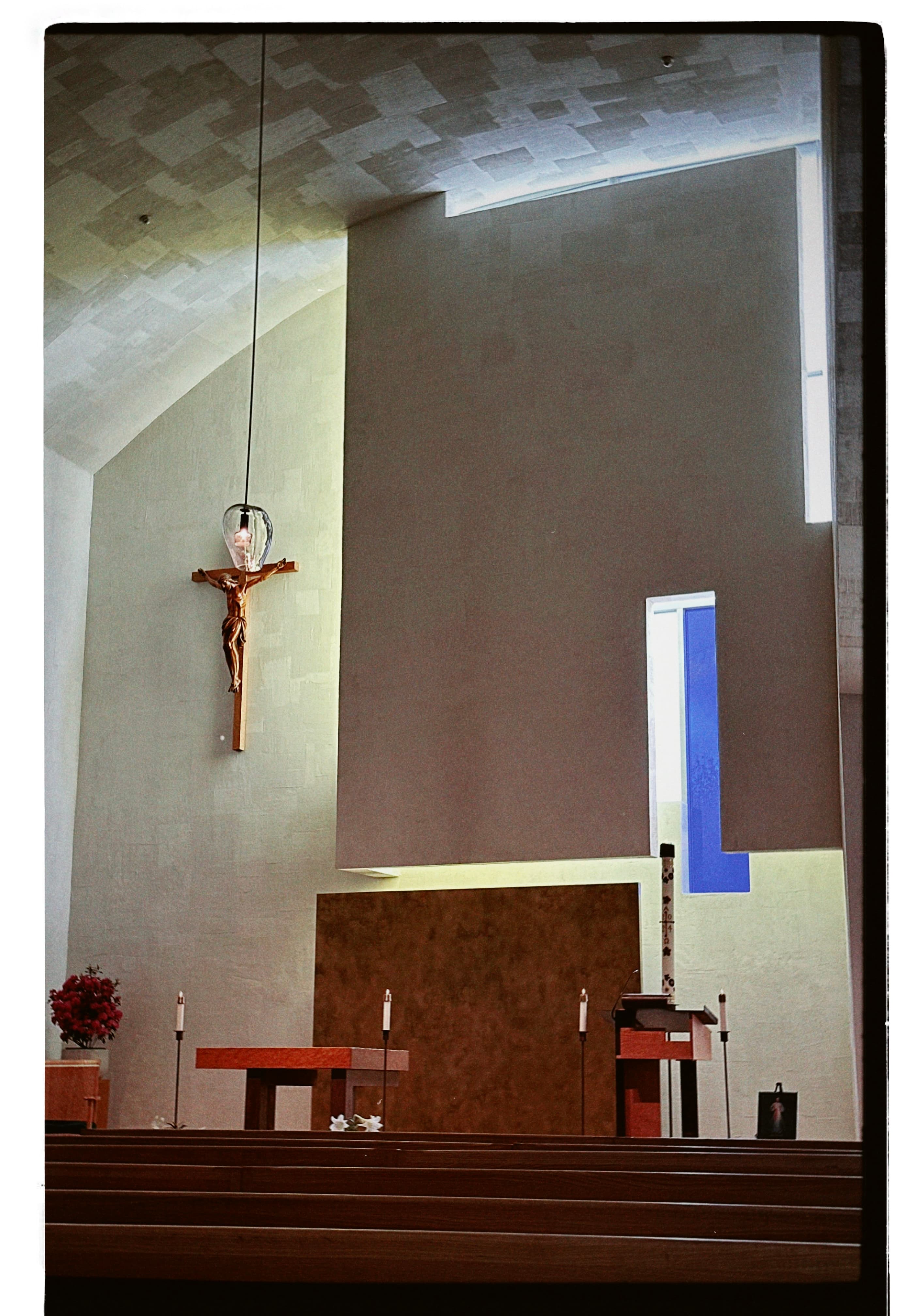
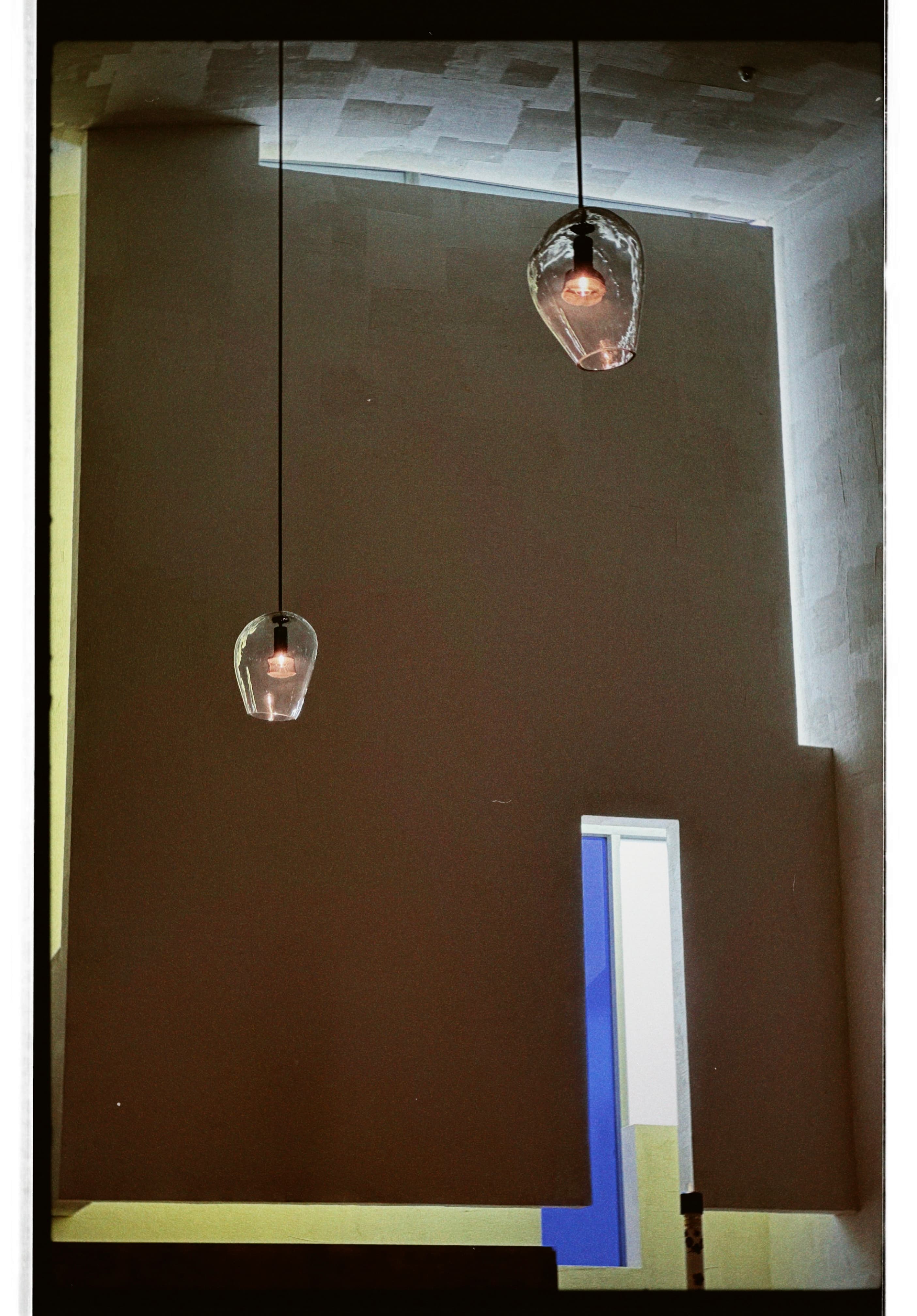
STEVEN HOLL ARCHITECTS - Chapel of St. Ignatius The architect's own project page provides the primary source description of the "Seven Bottles of Light in a Stone Box" concept, detailing the tilt-up concrete envelope, the dialectic of colored lenses and reflected light fields, and the correspondence between each light volume and liturgical program—essential documentation of the building's material tectonics and light strategy.
-
Chapel of St. Ignatius | SAH ARCHIPEDIA This scholarly entry situates the chapel within twentieth-century architectural history, drawing substantive comparisons to Le Corbusier's Ronchamp and identifying influences from Aalto and Schindler, while documenting the material palette (precast concrete, yellow cypress, zinc, bronze) and the design's relationship to the Ignatian Spiritual Exercises.
-
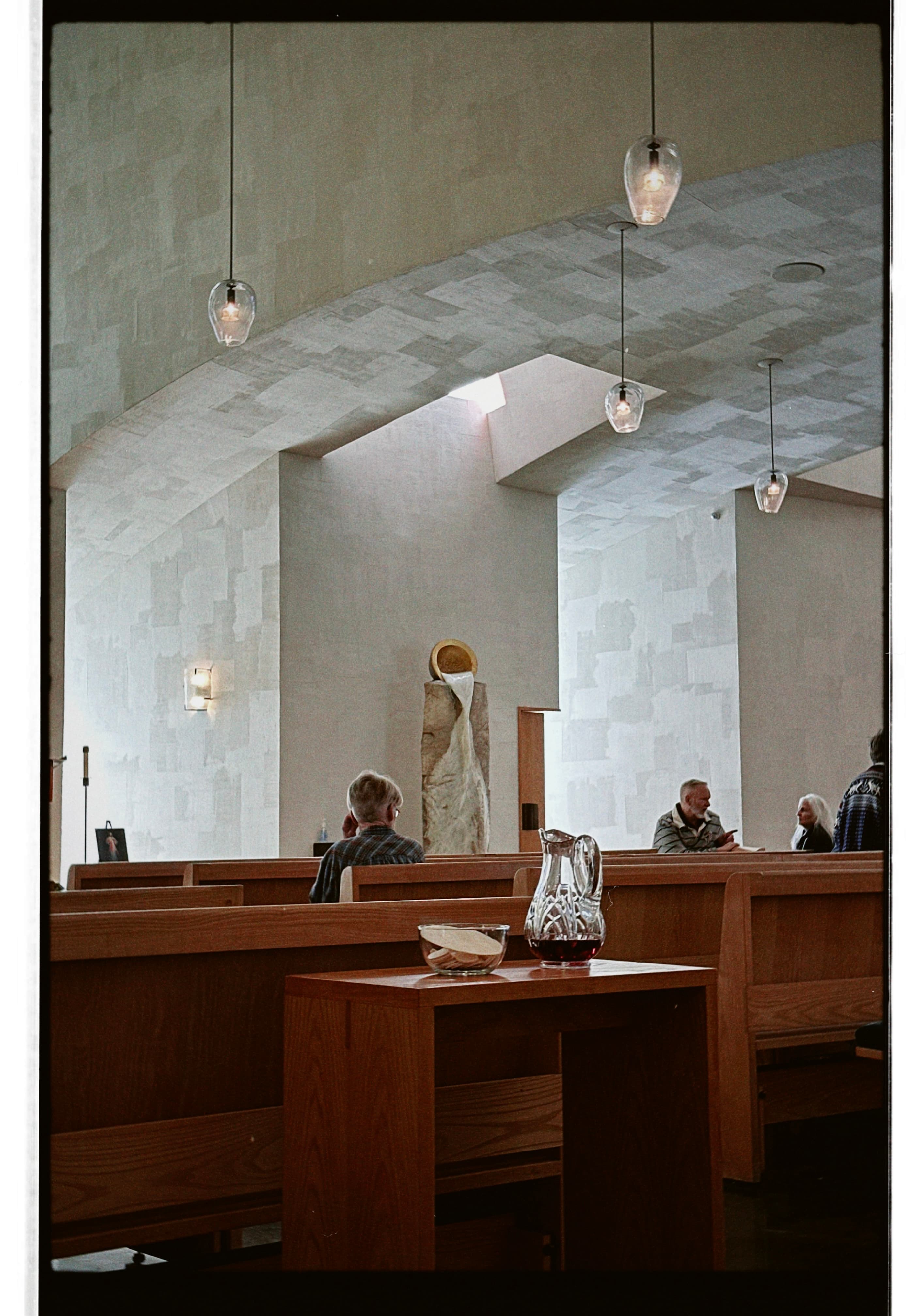
Seattle University's Chapel of St. Ignatius - HistoryLink.org A richly detailed regional history essay by critic John Pastier that chronicles the collaborative design and construction process, identifies architectural precedents, and offers critical commentary on the chapel's treatment of light as physical substance—including the beeswax walls, onyx tabernacle, and madrone branch of the Blessed Sacrament Chapel by Linda Beaumont.
-
The Chapel of St. Ignatius by Steven Holl: Sculpting Light and Spirit | ArchEyes A comprehensive architectural analysis that details the tilt-up construction sequence, the 21 interlocking concrete panels, and the complementary color system within each light volume, offering both technical documentation and critical assessment of how material economy and poetic intent converge in the chapel's enclosure.
-
Chapel of St. Ignatius (Wikipedia) Includes Charles Mudede's provocative critical observation that the chapel is "more spiritual than Christian" and that "the architect, not God, is worshiped in this box with bottles of light"—a useful counterpoint that frames the tension between phenomenological light-atmosphere and liturgical function.
Critical Theory
-
Steven Holl: A Translation of Phenomenological Philosophy into the Realm of Architecture (METU Thesis) This master's thesis provides a rigorous theoretical framework for reading Holl's architecture through Merleau-Ponty's phenomenology, with dedicated analyses of the Chapel of St. Ignatius examining tactile phenomena, the "intertwining" of body and space, and the architectonic role of light—directly engaging the article's themes of light-atmosphere and material honesty.
-
Steven Holl: 'Questions of Perception' - Domus Holl's own editorial recounts the intellectual genesis of phenomenological architecture through the 1994 publication 'Questions of Perception' with Pallasmaa and Pérez-Gómez, articulating eleven "phenomenal zones" (including haptic realm, spatiality of night, and water as lens) that constitute the theoretical scaffolding behind the chapel's experiential program.
-
Chapel of St. Ignatius Case Study by Lanting Tian An analytical case study that reads the chapel through four critical registers—form, body, technique, and space—positioning Holl's work within a post-Postmodern paradigm that fuses modernist formalism with existential philosophy, and examining how compression, material honesty, and perceptual phenomena produce the chapel's spatial interiority.
-
A Study on the Phenomenological Characteristics of the St. Ignatius Chapel by Steven Holl A peer-reviewed study that constructs a systematic analytical framework from Holl's phenomenological theory to examine how the chapel's spatial configuration, multi-sensory perception, and varied ceiling forms and light screens produce an unprecedented experiential architecture—directly addressing the interrelation of light, enclosure, and bodily perception.
-
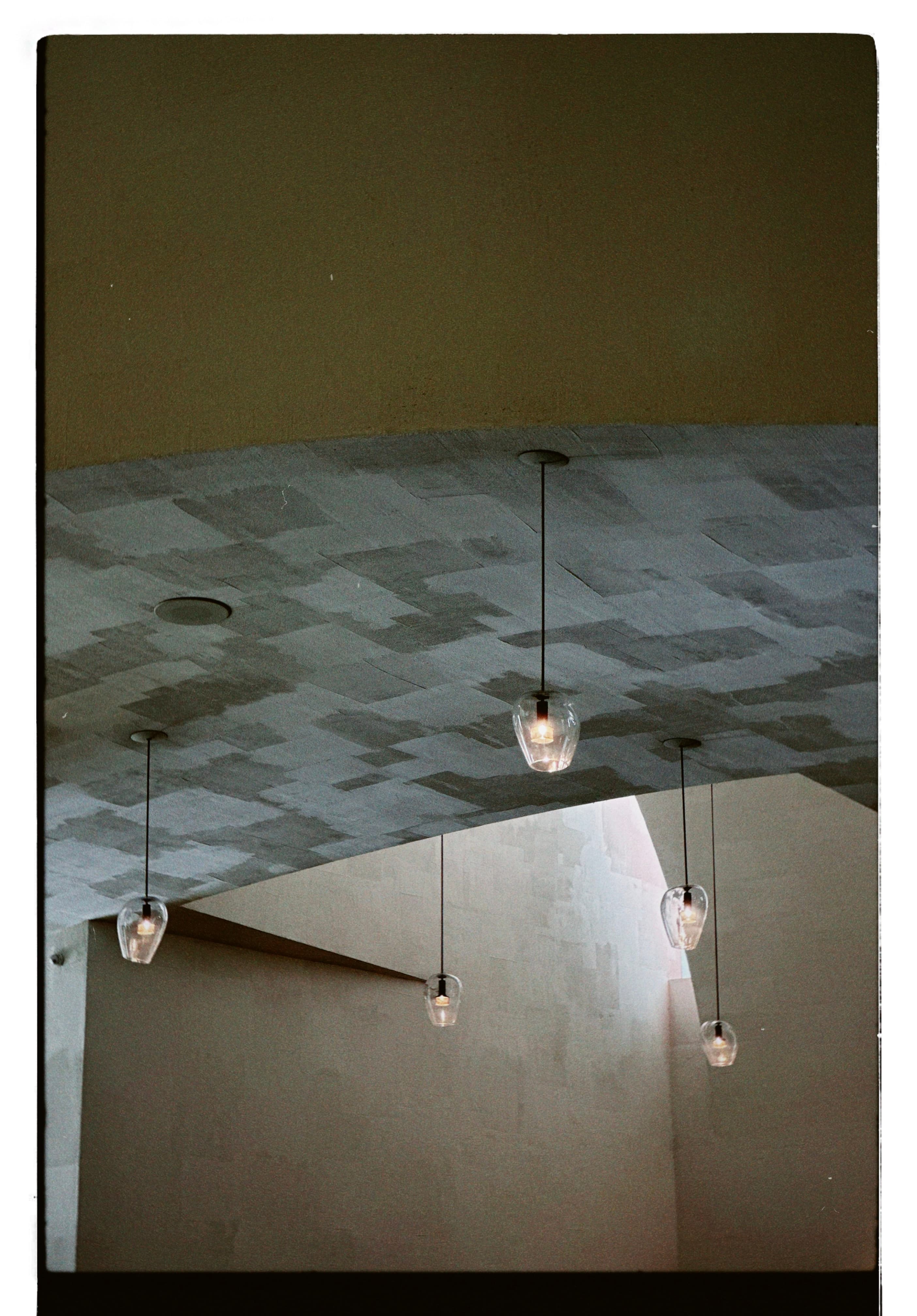
Architecture of The Chapel of St. Ignatius - Seattle University The university's own account details the operative mechanics of the light system—suspended baffles with painted color fields producing halos, colored glass lenses casting shifting hues—and articulates the metaphor of "consolations and desolations" that links Ignatian interiority to the chapel's phenomenology of enclosure and illumination.
Psychoanalysis & Architecture
-
Light + Sacred Architecture: Phenomenology of Light in Sacred Spaces (Kansas State University) This research study examines the emotional and psycho-spiritual effects of light in sacred spaces, with a dedicated case study of the Chapel of St. Ignatius analyzing how Holl's shifting light qualities prompt visitors to engage with internal spiritual states—resonating with the psychoanalytic dimension of architectural interiority as a space of subjective encounter.
-
Chapel of St. Ignatius | SAH ARCHIPEDIA The SAH entry describes the chapel's conceptual watercolors as resembling "pulmonary arteries of the heart" and characterizes the interior transformation upon entry as an intensification of perception where "the everyday act of pressing a door handle" becomes revelatory—language that aligns with psychoanalytic readings of architectural thresholds and the uncanny interior.
-
Seattle University's Chapel of St. Ignatius - HistoryLink.org Pastier's account of the Blessed Sacrament Chapel—with its beeswax-coated walls, gold-leaf prayers, onyx tabernacle, and 20-foot madrone branch symbolizing life's struggle—provides rich material for psychoanalytic readings of the chapel's subsidiary spaces as sites of introjection, mourning, and material sublimation.
-
STEVEN HOLL ARCHITECTS - Chapel of St. Ignatius Continues to Shine, Celebrating 20 years This retrospective frames the chapel through the Ignatian concept of "discernment"—the sorting through of internal light and darkness, consolations and desolations—offering a direct parallel to psychoanalytic processes of working through interior conflict within the contained space of the architectural envelope.
Film Theory & Architecture
-
Cinematic Architecture Tokyo - Theory of Cinematic Architecture This theoretical survey explicitly identifies Steven Holl alongside Jean Nouvel and Herzog & de Meuron as architects whose work engages cinematic principles of light, shadow, and sequence, and references Pallasmaa's 'The Architecture of Image'—providing a broader disciplinary framework for reading the chapel's temporal light effects as cinematic spatial narrative.
-
The Death of Film in Architecture: Two Recent Cinemas (ACSA Proceedings) This peer-reviewed conference paper analyzes Steven Holl's Linked Hybrid Cinémathèque through the lens of cinematic montage and the promenade architecturale, establishing a theoretical vocabulary of "filmic urban public space" that can be productively applied to the chapel's sequential procession through differentiated light volumes.
-
STEVEN HOLL ARCHITECTS - The Chapel of St. Ignatius (Princeton Architectural Press) The monograph description emphasizes the chapel as a distillation of Holl's investigations into "the phenomenology of space" and "reflected light and color," functioning as a visual journal from watercolor sketches through construction to completed building—a sequential unfolding of design process analogous to cinematic storyboarding.
-
[Archive] The Chapel of St Ignatius in Seattle by Steven Holl Architects - Architectural Review The Architectural Review's archival essay foregrounds the chapel's "fluid spaces animated by a combination of natural and diffuse light" and its use of illumination as metaphor—a critical framing that aligns with film-theoretical interest in how moving light and atmospheric modulation construct temporal experience within architectural enclosure.
—gallery