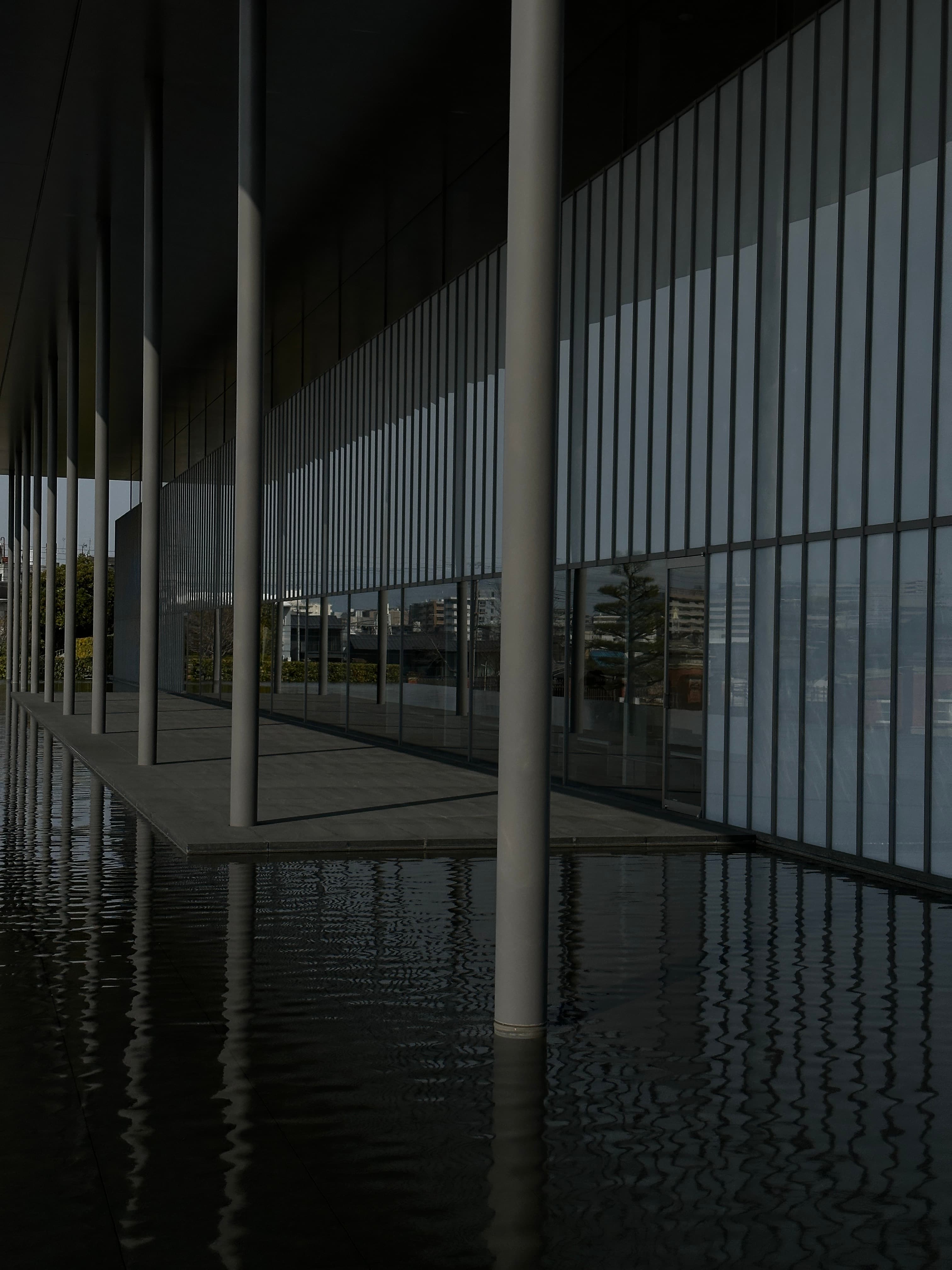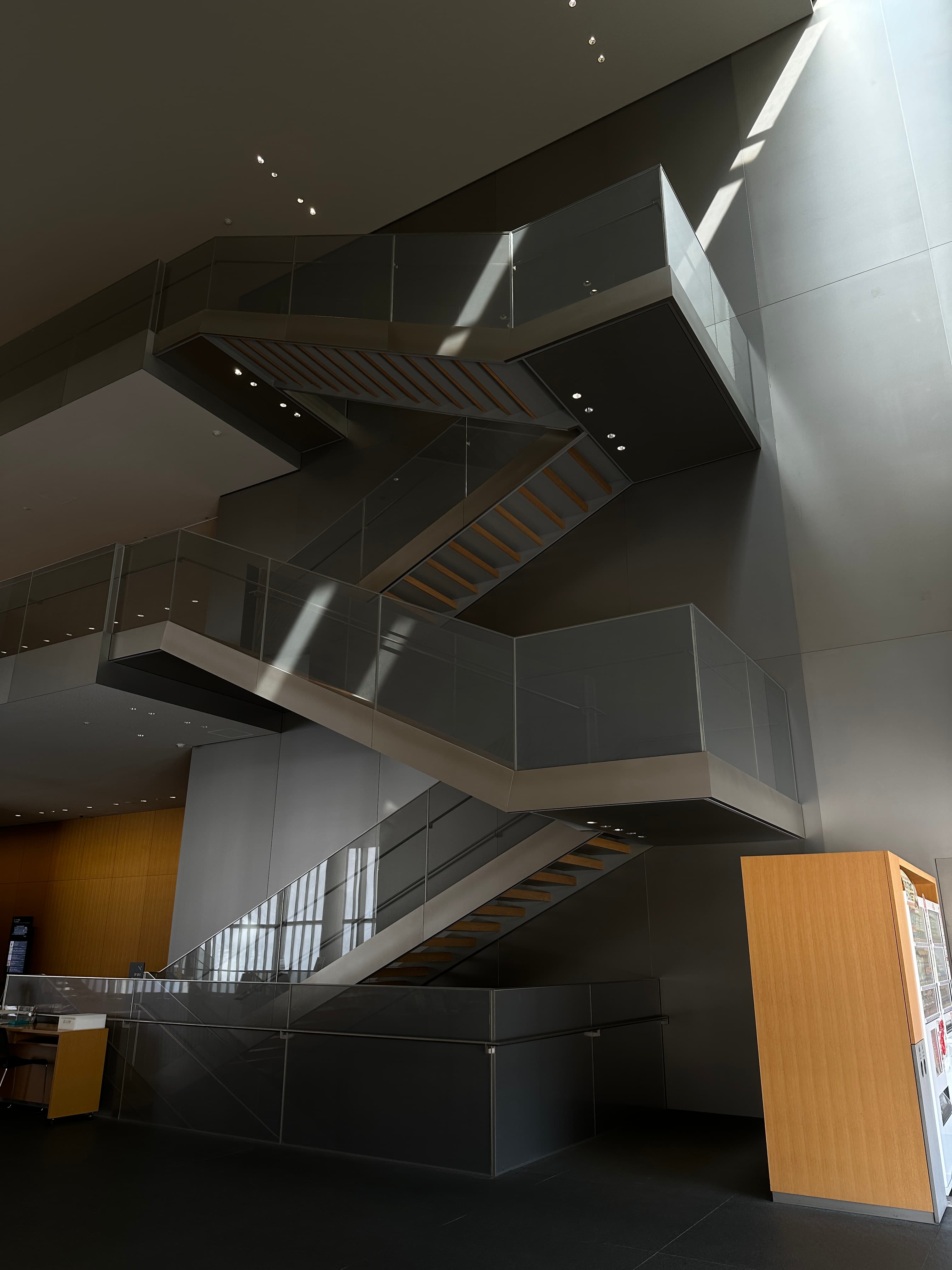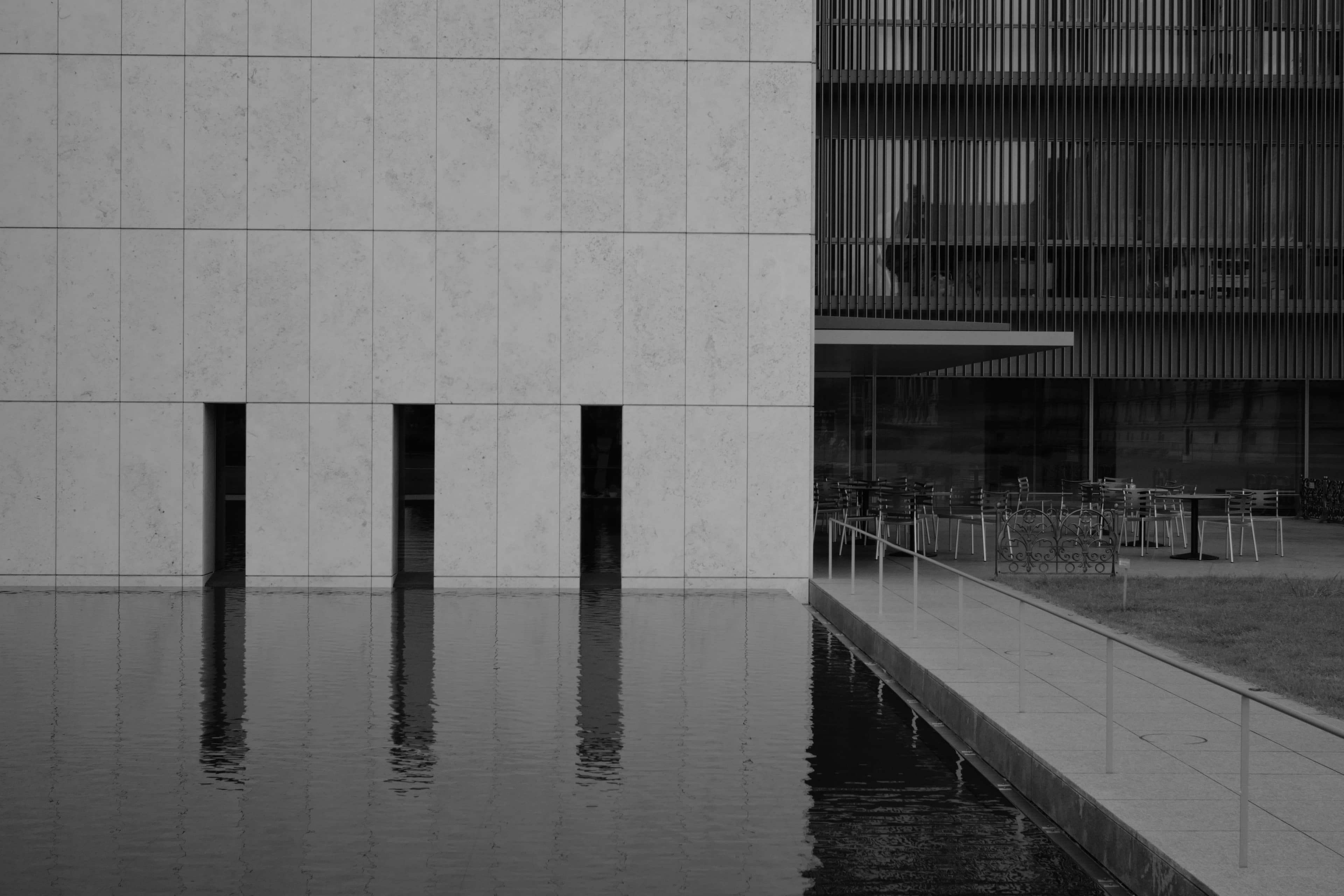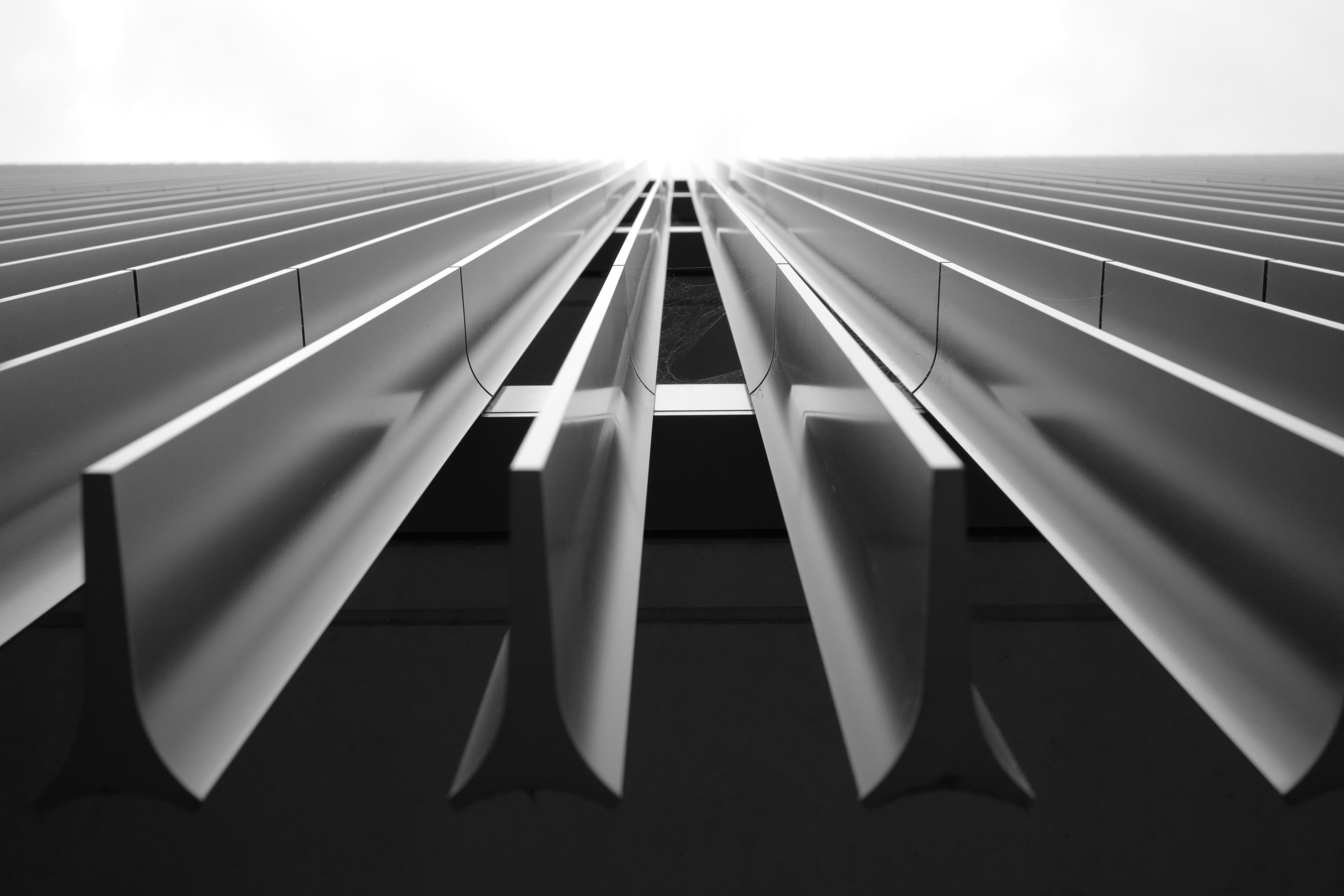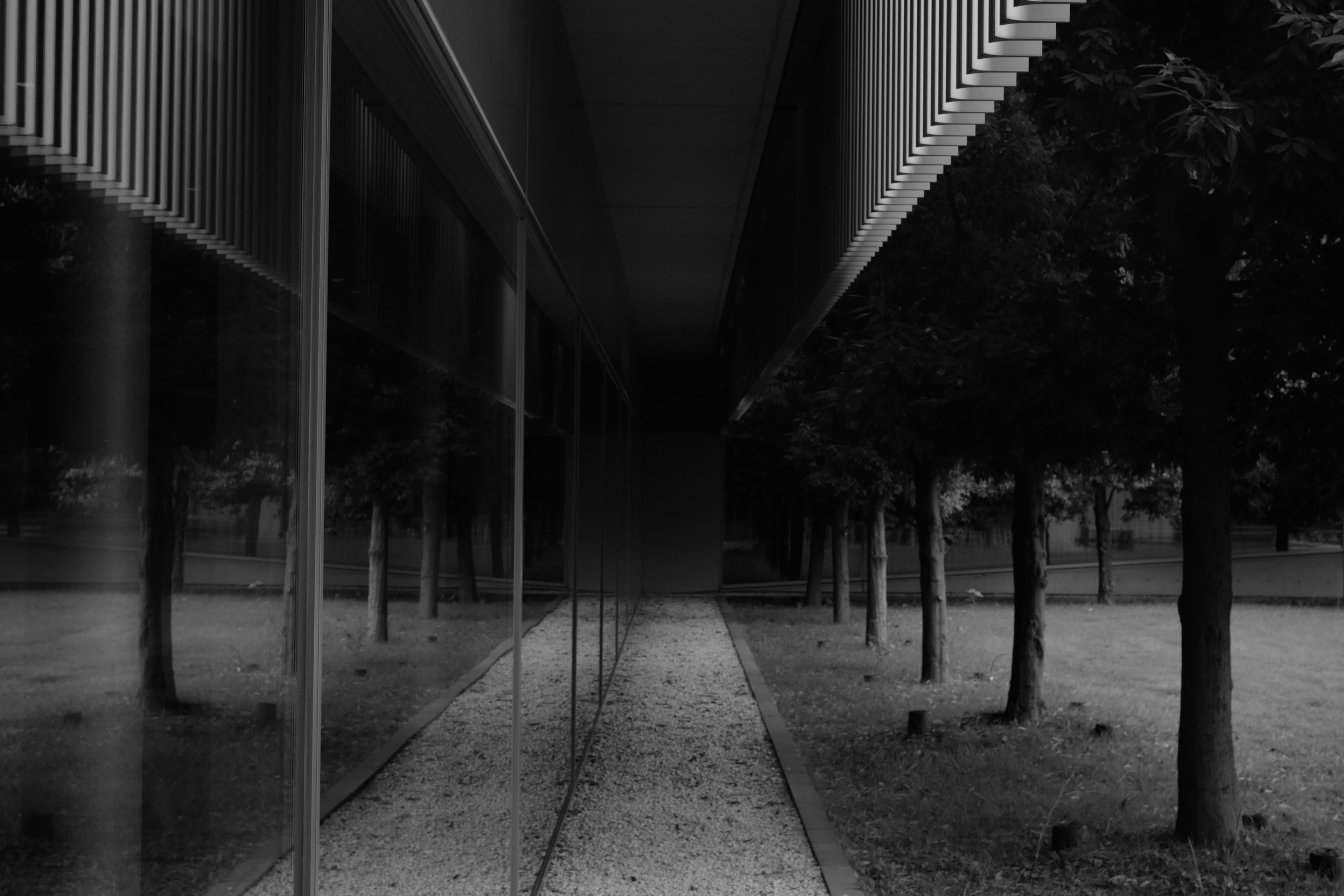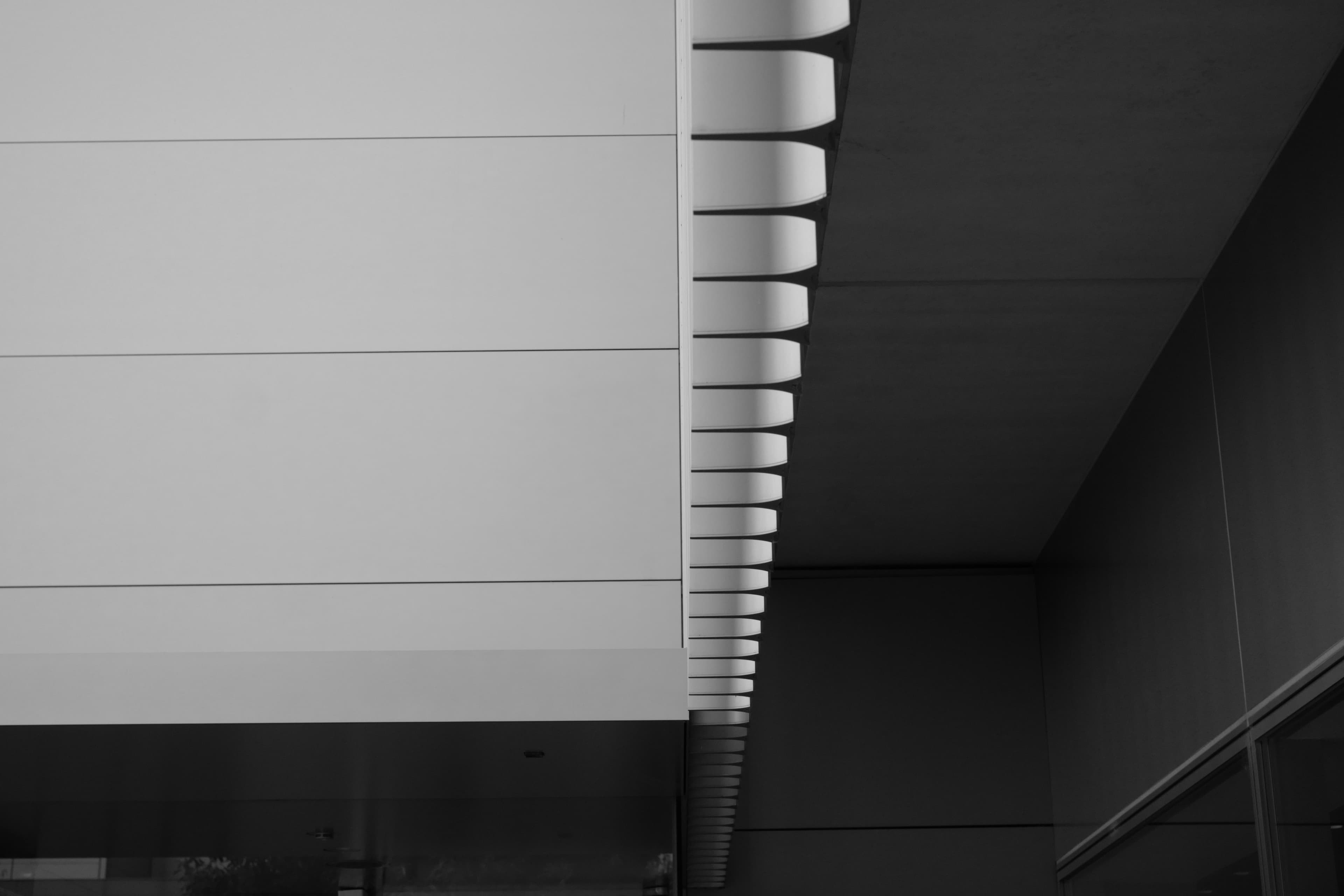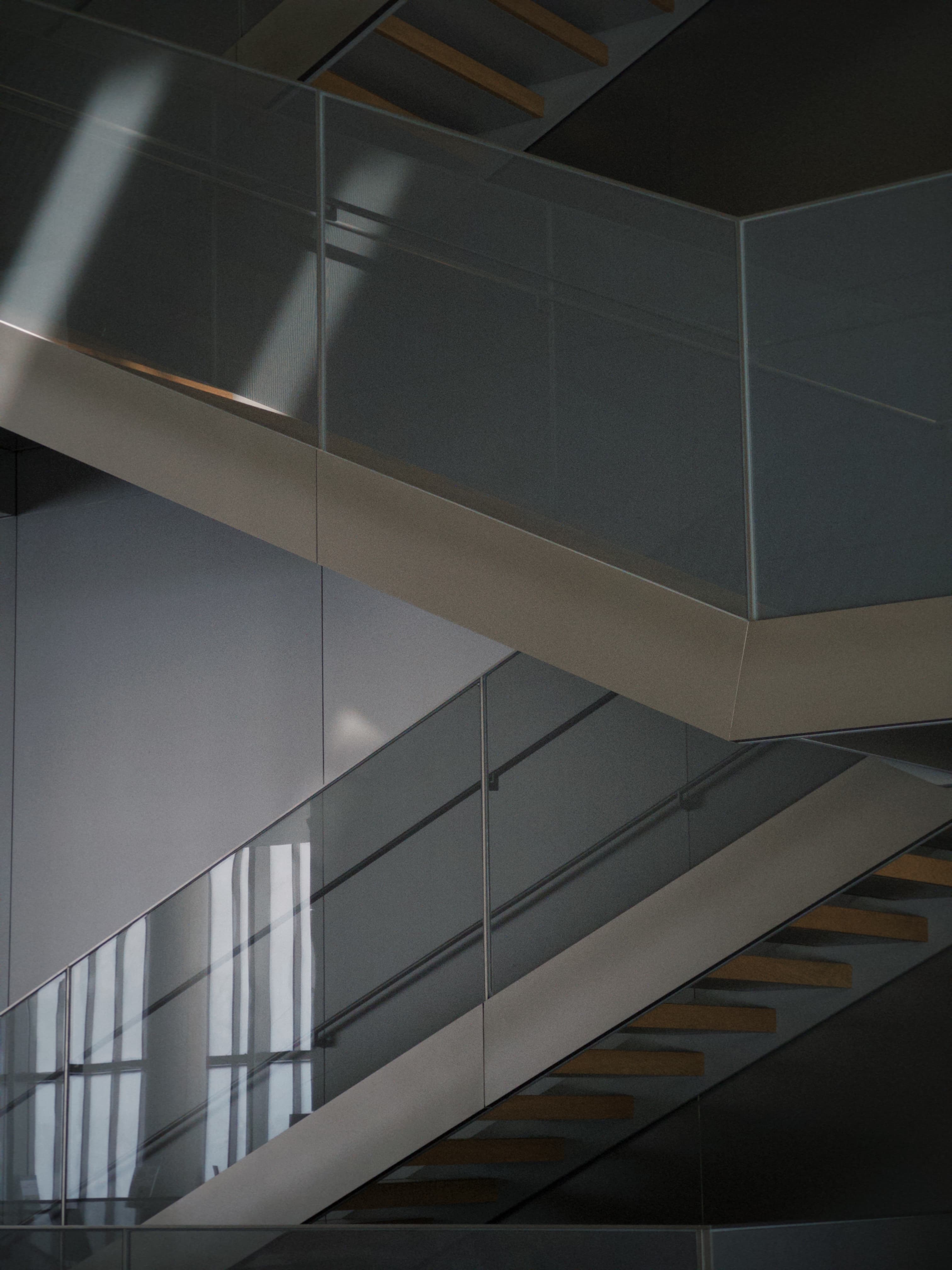
平成知新館 Heisei Chishinkan Wing, Kyoto National Museum
Research
Architecture History
-
京都国立博物館 平成知新館の建築|地域観光資源の多言語解説文データベース This bilingual resource details the archaeological stratigraphy embedded in the Chishinkan's design—foundation stones from Hokoji Temple's South Gate marked in the lobby floor and reflecting pool—establishing an 800-year axial sequence linking three historic gates. Directly relevant to the article's 'sequence' tag, it documents how Taniguchi inscribed an ancient pilgrimage route into the building's spatial logic.
-
Learning From The Old to Discover The New: The Heisei Chishinkan Wing — The Best in Heritage Director Johei Sasaki's presentation offers an authoritative institutional account of the wing's 20-year genesis, its limestone façade evoking traditional latticework, and the experiential contrast between the light-filled entrance lobby and the dim gallery interiors. The description of visitors moving from luminous threshold to darkened exhibition space is central to the article's themes of light and sequence.
-
Facilities — Kyoto National Museum The museum's official facilities page provides primary documentation of Taniguchi's design intent—describing the linear theme inspired by traditional Japanese spatial configurations, the soft natural light of the Grand Lobby, and the dual-wall system that excludes daylight from galleries. This tension between illuminated public spaces and lightless exhibition rooms directly engages the article's light and material concerns.
-
THE HEISEI CHISHINKAN WING, KYOTO NATIONAL MUSEUM — Shinkenchiku.DATA Published in Shinkenchiku (December 2014), this professional architectural record by Taniguchi and Associates provides technical documentation of the seismic isolation strategy, floor-level isolators for galleries and storage, and the building's tectonic structure—essential references for the article's 'material' tag and its concern with the honesty of structural systems.
-
About Yoshiro and Yoshio Taniguchi — Museum of Architecture, Kanazawa This chronological biography situates the Heisei Chishinkan (awarded the 2018 Public Buildings Award) within Taniguchi's broader oeuvre—from the Hōryūji Treasures Gallery to MoMA—establishing the genealogical and intellectual lineage that informs his museum typology and its recurring concerns with light, material restraint, and processional space.
Critical Theory
-
The Architecture of Yoshio Taniguchi — Fumihiko Maki (NYT Books excerpt) Fumihiko Maki's critical essay introduces the concept of 'za' (the establishment of place) as Taniguchi's foundational site-planning strategy, and analyzes his use of primary architectural elements—wall, slab, podium—to orchestrate rhythm, flow, and the 'upward and downward bending of the line of vision.' This theoretical framework, rooted in Japanese spatial protocols, is indispensable for understanding the Chishinkan's sequence and material logic.
-
The Heisei Chinshinkan Wing, Kyoto National Museum — R.E.A.D. Architects This project page from R.E.A.D. (collaborators with Taniguchi and Associates) describes the deliberate asymmetrical spatial structure, the contrast with the Meiji Kotokan's Renaissance symmetry, and the use of 'understated materials' and thin pillars to link interior and exterior—offering a tectonic reading directly relevant to the material and sequence themes.
-
Learning From The Old to Discover The New — The Best in Heritage Taniguchi's own statement—'I found my own answer to the mandate I received to forge a structure appropriate to Kyoto'—frames the building as a critical negotiation between modernist universalism and site-specific cultural obligation. The text articulates the 'harmony in contrasts' between Meiji Kotokan and Chishinkan as a dialectical composition central to critical discourse on architectural historicism.
-
BIOGRAPHY — Yoshio Taniguchi (architecture-history.org) Dana Buntrock's biographical entry characterizes Taniguchi's architecture as 'precise, serene, and understated, often informed by contrast,' and identifies his lineage from Katsura Imperial Villa through to his sparing use of materials. This critical positioning between Miesian abstraction and Japanese design traditions provides theoretical grounding for the Chishinkan's material honesty and spatial restraint.
Psychoanalysis & Architecture
-
The Architecture of Yoshio Taniguchi — Fumihiko Maki (NYT Books excerpt) Maki's essay describes the 'wellspring of an architect's ideas' as lying 'in the depths of his consciousness, where diverse experiences he has accumulated, sometimes unconsciously' shape design. This explicit invocation of unconscious processes in architectural creation, combined with analysis of how spatial sequence dramatizes anticipation and revelation, offers a rare psychoanalytic lens on Taniguchi's phenomenological method.
-
Heisei Chishinkan Wing, Kyoto National Museum — Foresyte Though written for a general audience, this text's description of the Chishinkan as 'architecture meant to be felt' and its emphasis on the Japanese concept of 'ma'—empty space as affective presence—resonates with psychoanalytic readings of transitional space and the role of absence in constituting subjective experience within architecture.
-
Yoshio Taniguchi — Architects' Journal The AJ profile describes Taniguchi's buildings as 'sanctuaries' where 'the pace at which you experience the building is being controlled,' likening them to the tea house. This account of architecture regulating bodily tempo and inducing serenity engages psychoanalytic concerns with spatial containment, holding environments, and the architecture of affect.
Film Theory & Architecture
-
Yoshio Taniguchi: The Man in the White Suit — John Barr Architect This essay draws an extended analogy between Taniguchi's architectural perfectionism and the 1951 Ealing comedy, analyzing how the Chishinkan and Hōryūji Treasures Gallery deploy identical parti—a sealed exhibition box wrapped by a transparent processional lobby—to frame sequential revelation. The comparison of blank exhibition walls and glass lobbies as cinematic 'cuts' between opacity and transparency is directly relevant to the sequence and light themes.
-
Yoshio Taniguchi's new Heisei Chishinkan wing — Wallpaper* Wallpaper's report on the Chishinkan's inauguration describes the sharp interior division between light-sealed exhibition zones and glazed public areas offering garden vistas—a spatial montage of contrasting luminous conditions that parallels cinematic techniques of alternating exposure and darkness to structure narrative movement through the building.
-
Learning From The Old to Discover The New — The Best in Heritage The Director's account of visitors passing from a 'light-filled entrance lobby' into 'a dim, tranquil space' on the ground floor describes a phenomenological threshold that functions analogously to a filmic dissolve—a controlled atmospheric transition that reframes perception. This sequencing of light conditions as narrative device connects the building's promenade architecturale to montage theory.
—gallery